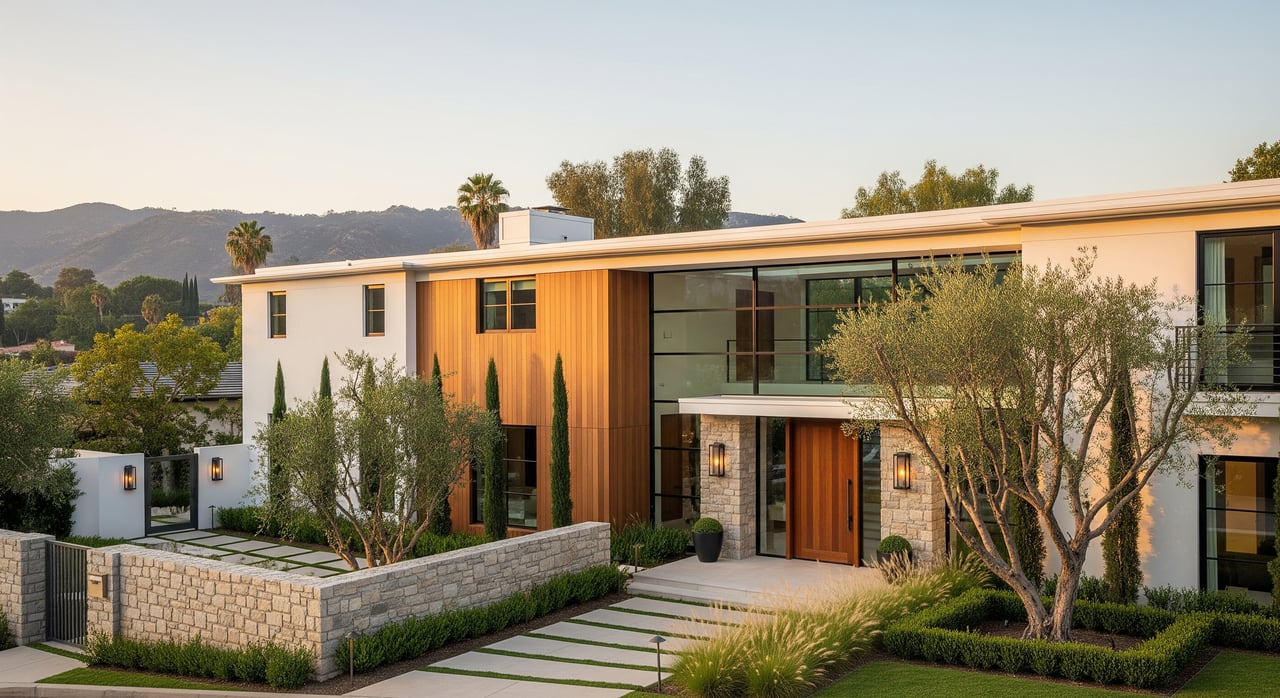
Thinking about selling in Brentwood but unsure whether spring or fall will treat you better? You are not alone. With Los Angeles’ mild climate and steady year-round activity, timing can feel less obvious here than in colder markets. In this guide, you’ll get a clear, practical plan to choose your ideal window, prepare your home, and launch with confidence. Let’s dive in.
Brentwood’s best selling windows
In Brentwood, the strongest listing windows are typically spring and early fall. Spring (March through June) brings the broadest buyer pool, while early fall (September through October) is a powerful secondary window, especially for higher-end listings and buyers returning from summer travel. Because our climate is mild, you can sell year-round, but seasonality still shows up in buyer traffic, competition, and how quickly serious buyers make decisions.
Two local rhythms matter. First, many families aim to close by late summer so they can start the new school year on time. Second, luxury buyers often resume active touring after summer. Pair these rhythms with current inventory and mortgage rate trends, and you have your timing playbook.
Spring: what to expect
Spring brings more active buyers, longer daylight for showings, and fresh curb appeal. Families planning summer moves often start touring in March and April and aim to close by June or July. You benefit from stronger foot traffic and more online interest.
- Advantages: larger buyer pool, lively open houses, great natural light and foliage for photos.
- Tradeoffs: more competing listings, more showings to manage, and buyers may negotiate on condition because they have options.
If your likely buyer is a household coordinating around the school calendar, late spring can help you align a closing by early summer.
Fall: what to expect
Early fall is a focused, motivated window. The buyer pool is smaller than spring, but those touring often have tighter timelines. Upsizers, transferees, and luxury buyers returning from summer travel are active.
- Advantages: less new listing competition, decisive buyers, and strong visibility for well-priced homes.
- Tradeoffs: slightly lower online search volumes and a natural slowdown near the holidays. Aim to list in early September and avoid the late November to December slowdown unless your price strategy accounts for lighter traffic.
Other windows to consider
- Summer (June to August): Families closing before the school year can make this a productive period. Expect some travel-related gaps and heavier competition for contractors and photographers.
- Winter and holidays (late November to February): Lowest overall traffic, though committed buyers still move forward. Luxury listings can perform with tailored marketing and smart pricing.
Check market signals before you choose
Do not choose a date by the calendar alone. A few current indicators can tilt the decision.
- Active inventory and months of supply: Lower supply favors sellers any time of year. Rising supply suggests more careful pricing or improved presentation.
- Median price trend over 3, 6, and 12 months: Accelerating prices favor listing sooner.
- Days on market (average or median): Shorter timelines point to stronger, ready buyers. Luxury often runs longer by nature.
- Sale-to-list price ratio: Above 100 percent indicates strong seller leverage; below 100 percent signals more concessions.
- New pendings and closed sales per month: A quick pulse on buyer momentum.
- Mortgage rate trend: Rising rates can cool demand; steady or falling rates can spark urgency.
How to interpret it:
- If inventory is low and sale-to-list is near or above 100 percent, you can aim for either spring or early fall with confidence.
- If inventory is climbing and days on market are stretching, lean into a sharper list price, elevated presentation, or a timing tweak that avoids heavy competition.
Plan your path to market: an 8-week timeline
Most Brentwood homes benefit from light cosmetic prep, curated staging, and a measured pre-market buzz. Here is a practical sequence you can adapt.
- Week 8: Strategy meeting. Align on pricing, target buyer profile, and timing. Decide on light versus major prep. Order a pre-listing inspection if desired.
- Weeks 7–6: Contractor work and decluttering. Start landscape cleanup and irrigation checks. Begin gathering required disclosures.
- Weeks 5–4: Deep clean, finalize the staging plan, and reserve professional photography, videography, and drone.
- Week 3: Final touchups. Install staging. Draft listing copy, create the property site, and map a virtual tour and floor plan.
- Week 2: Pre-market exposure. Use compliant “coming soon” marketing, targeted outreach to local broker networks, and confirm open house and showing protocols.
- Listing week: List mid-week, Tuesday through Thursday, to capture indexing before the first weekend. Host a broker open during the week and a public open house on weekend one. Monitor showings and feedback closely for the first 10 to 14 days.
Why mid-week matters: Going live mid-week lets portals index the listing and builds momentum ahead of weekend touring, creating a strong first-weekend spike.
Staging that speaks to Brentwood buyers
Your buyer is investing in both a home and a lifestyle. Presentation should reflect the indoor-outdoor ease and visual clarity Westside buyers prize.
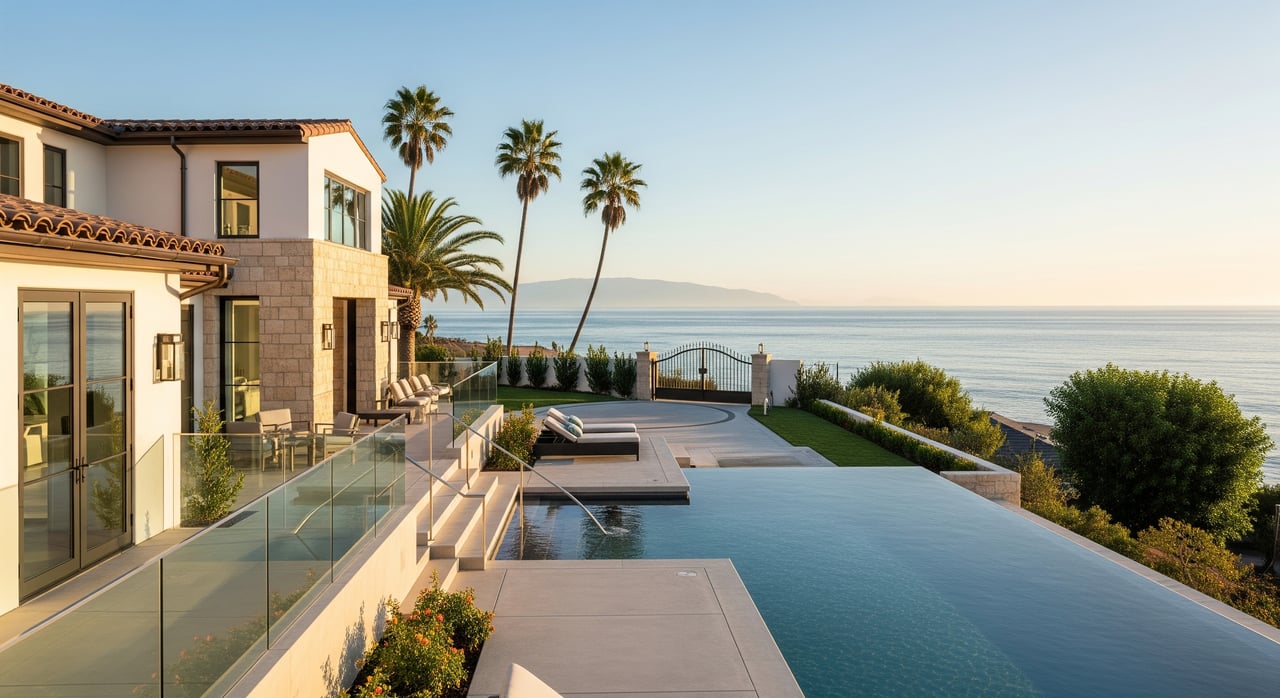
- Elevate indoor/outdoor living: Style patios and decks, clean hardscapes, and freshen planters. Show outdoor dining and lounge zones.
- Lean into natural light: Sheer window treatments, edited art, and neutral tones help light travel.
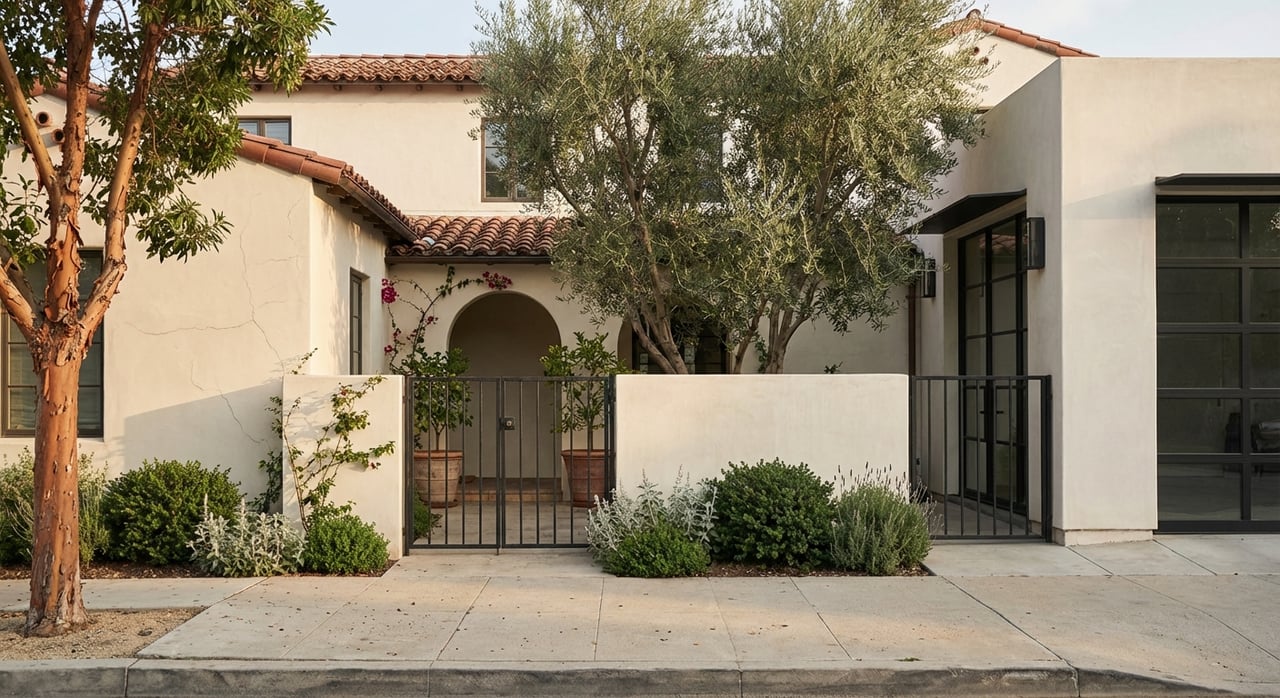
- Honor the architecture: Clean lines for midcentury, warm textures for Spanish or traditional. Keep character, remove visual clutter.
- Spotlight kitchen and baths: Crisp counters, updated hardware, and spa-like linens signal move-in readiness.
- Curb appeal counts: Tree trimming, driveway cleaning, and tidy irrigation say the home is cared for. In car-centric LA, a pristine drive and garage matter.
- Call out smart and sustainable features: If you have solar, battery storage, or EV charging, make them visible in the tour and marketing.
Listing launch strategy
Your first two weeks set the tone. Treat them like an opening night.
- Pre-listing inspection: Not required, but helpful in higher-value deals to build confidence and speed negotiation.
- “Coming soon” marketing: Build anticipation among qualified buyers and local agents while staying within MLS rules.
- Premium visuals: Golden-hour exteriors, drone for lot and context, and a 3D tour for remote buyers help your listing travel.
- Neighborhood touchpoints: Thoughtful local mailers, agent-to-agent outreach, and well-timed social posts can amplify your debut.
Legal and disclosure basics in California
California requires several disclosures and good recordkeeping. Your agent will coordinate the specifics, but plan for:
- Transfer Disclosure Statement: Material facts about the property.
- Natural Hazard Disclosure: State hazard zones, such as fire or flood.
- Lead-based paint disclosure: For homes built before 1978.
- Local ordinances: If your property is tenant-occupied, confirm applicable city and county rules.
- Permits and unpermitted work: Disclose any unpermitted improvements; unresolved items can slow closing.
Pre-listing inspections are optional. In Westside transactions, sellers often complete roof, pest, or structural checks to reduce surprises.
Who is your likely buyer? Adapt timing and message
- Households coordinating with the school calendar: Spring and early summer are natural fits. Showcase yard usability, flexible spaces, and easy routines.
- Upsizing buyers: Often active in spring and fall. Emphasize storage, garages, and multi-use rooms for work and play.
- Luxury and high-net-worth buyers: Less tied to spring. Early fall and even January or February can work well with tailored outreach and premium staging.
- Investor or condo buyers: Opportunistic and year-round. For condos, be clear on HOA rules and lease terms.
So, when should you sell?
Use these quick decision cues to choose your moment.
- You want the broadest buyer pool and a summer closing: List in late spring to close by late June or July.
- You want less competition and motivated buyers: Aim for early fall, especially September and October.
- Inventory is low and prices are holding or rising: Lean into the next available spring or fall window rather than waiting.
- Rates are climbing: Consider listing sooner to capture demand before purchasing power dips.
- You need time for prep: Budget 6 to 8 weeks and target the next strong window that aligns with your timeline.
Next steps
Before you finalize timing, get a local snapshot. Ask for: current active inventory and months of supply, average and median days on market, sale-to-list price ratio, and three to six months of comparable sales. Pair that intel with your prep timeline and target closing date, and you will have a clear plan.
If you would like a design-forward strategy tailored to your home, from curated staging to a precise launch, reach out to Molly Swing. We will map your best window, oversee prep, and deliver a polished debut that meets the moment.
FAQs
Is spring always the best time to sell in Brentwood?
- Spring usually brings the largest buyer pool, but your best time depends on current inventory, pricing trends, and your goals for timing and price.
Can selling in early fall still get a strong price?
- Yes; early fall often offers motivated buyers and less competing inventory, which can help a well-presented home stand out.
How far in advance should I start preparing my home?
- Plan 4 to 8 weeks for light cosmetic updates, decluttering, landscaping, and staging; more time if you are considering larger projects.
When should I schedule photos and open houses for the best exposure?
- Book photos within the two weeks before launch, list mid-week to index before the weekend, and hold your first open house on opening weekend.
What disclosures do California sellers need to provide?
- Expect a Transfer Disclosure Statement, Natural Hazard Disclosure, lead-based paint disclosure for pre-1978 homes, and full disclosure of known issues, plus any relevant local ordinances.