Choosing between a condo and a townhome in Santa Monica can feel like choosing between beachside ease and house-like privacy. You want the right blend of space, lifestyle, and long-term value with minimal surprises. In this guide, you’ll learn how these two options differ in ownership, maintenance, financing, insurance, amenities, and resale so you can decide what fits your life today and tomorrow. Let’s dive in.
Condo basics in Santa Monica
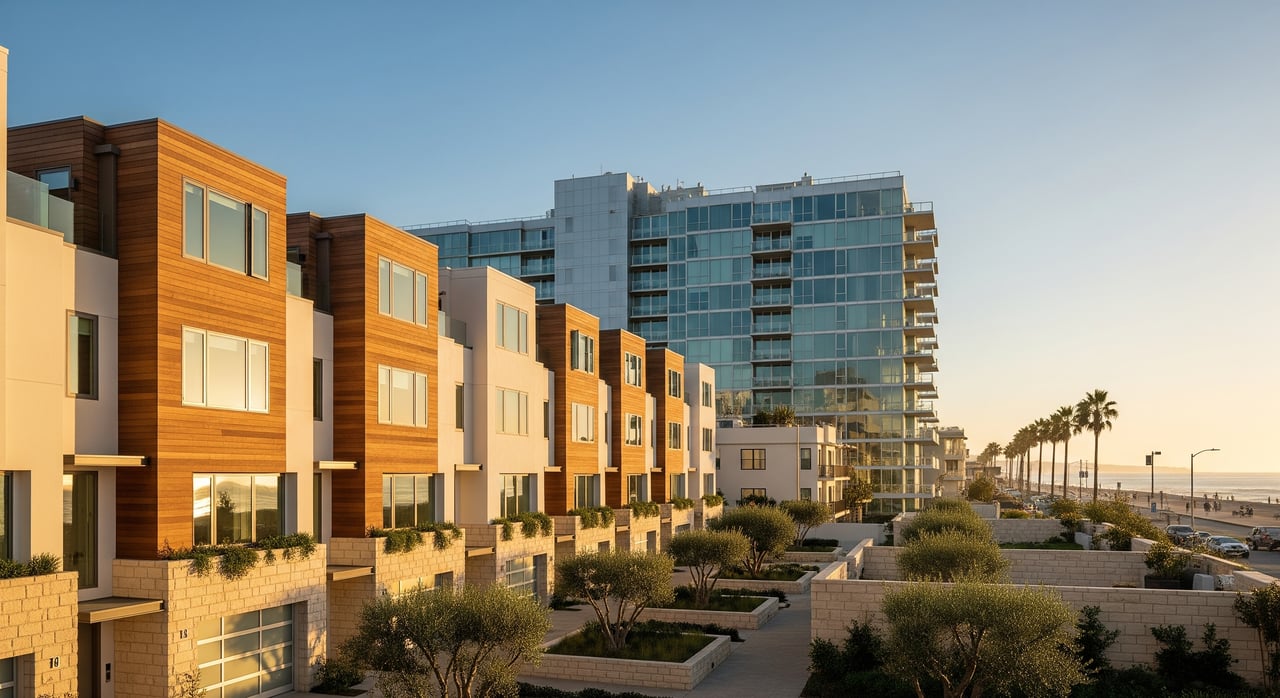
A condominium gives you title to the interior of your unit plus a shared interest in common areas like hallways, roofs, and landscaping. In Santa Monica, condos range from mid-rise and high-rise luxury towers near the beach and downtown to low-rise walk-ups and courtyard buildings farther inland. Many buildings carry a master insurance policy for the structure and shared spaces, and some projects require specific lender or project approvals. Always confirm building rules, coverage, and responsibilities in the CC&Rs and HOA documents.
Townhome basics in Santa Monica
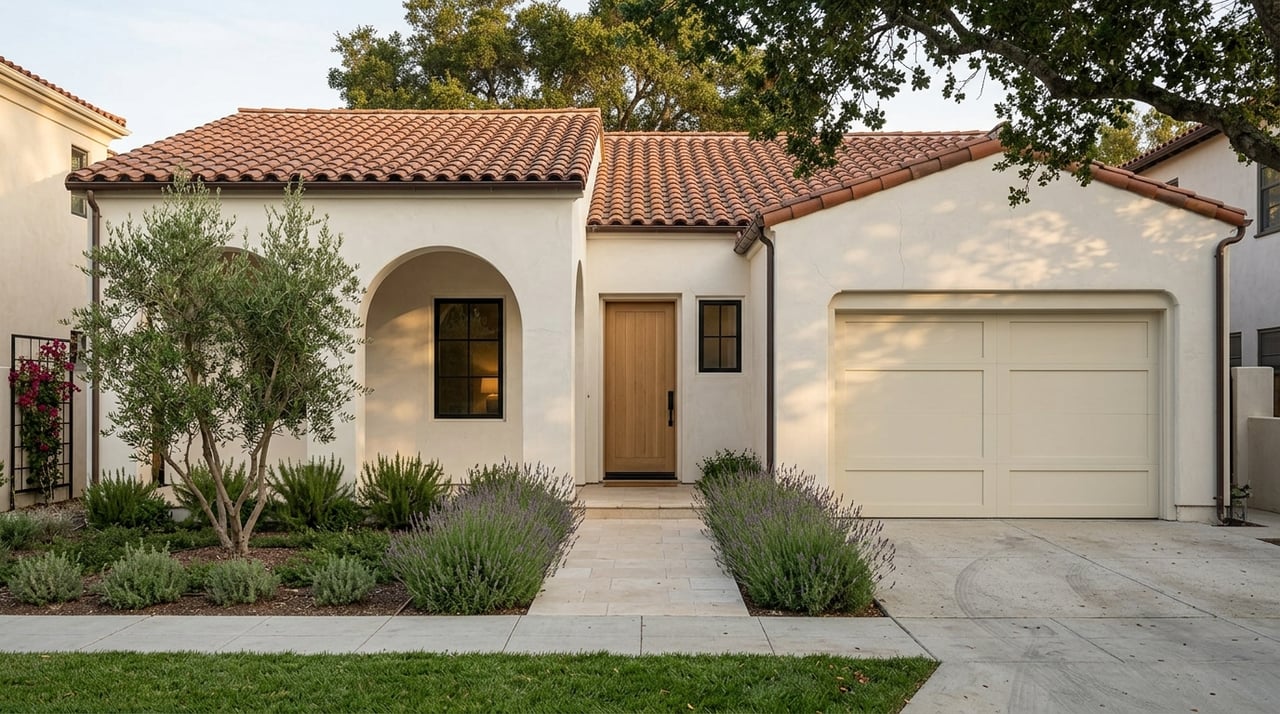
“Townhome” describes a multi-level attached residence rather than a single legal form. In Santa Monica, ownership may be condominium-style or fee-simple in a PUD where you own the land and exterior. Townhomes often appear as small clusters with private entries, attached garages, and patios, commonly in lower-density neighborhoods. They feel more like a house, but maintenance responsibilities vary by legal structure, so verify what the HOA covers.
Lifestyle factors by location
Santa Monica is a high-cost coastal market with steady demand for proximity to the beach, transit, and community amenities. You will see more condos near downtown, the Third Street Promenade, and Metro corridors, with townhomes dotted in quieter pockets inland. Inventory tends to be tight, and location premiums for walkability and views are common. Consider daily needs like commute patterns, storage, parking, and privacy when choosing your path.
- Walkability and transit: Condos near downtown and Metro stops often offer top-tier walkability and shorter commutes. Townhomes can be less central, which may mean more driving.
- Noise and exposure: Proximity to Pacific Coast Highway, Santa Monica Airport, and nightlife can affect sound levels. Townhomes with private yards may buffer street noise better than some single-wall condo layouts.
- Parking and storage: Townhomes typically include private garages and extra storage. Condos vary widely by building and unit.
Space and outdoor living
- Condos: Often single-level with efficient layouts and elevator access, ranging from studios to three bedrooms. Some may offer balconies, common roof decks, or shared courtyards. Ground-level private outdoor space is less common.
- Townhomes: Multi-level with interior stairs, private entry, and usually a garage, plus more closet space. Private patios, small yards, or roof decks are more likely for townhomes, ideal for gardening, BBQs, and private outdoor living.
- Reality check: Older Santa Monica condos can feature generous rooms, while certain newer units trend compact. Always compare actual square footage, ceiling heights, and outdoor usability.
Maintenance and HOA reality
- Condos: The HOA typically handles exterior, roof, building systems, common areas, landscaping, and elevators. You are responsible for interior finishes and fixtures within your unit as defined by the CC&Rs.
- Townhomes: If fee-simple in a PUD, you may be responsible for exterior and roof unless the HOA says otherwise. If the townhome is a condo form, responsibilities usually mirror a condo.
- HOA fees and services: Condo associations often carry higher dues due to building systems, amenities, and seismic improvements. Townhome HOAs can be lower if they handle only shared landscaping and driveways, but fees vary based on amenities and services.
What to review in the HOA:
- Operating budget and most recent reserve study
- Current reserve fund balance and funding plan
- Recent HOA meeting minutes and special assessment history
- Insurance coverage type, deductibles, D&O and fidelity policies
- Any pending litigation or planned capital projects
Financing and insurance essentials
- Financing for condos: Some buildings require project approvals for FHA or VA, or need to meet Fannie Mae and Freddie Mac guidelines. Lenders look at owner occupancy, commercial space, and dues delinquencies.
- Financing for townhomes: Fee-simple townhomes are often treated like single-family homes, which can simplify conventional mortgages. Townhomes in condo form follow condo lending rules.
- Insurance: Condos typically use a master policy for the structure and common areas, while you carry an HO-6 for interiors, personal property, and loss assessment. Fee-simple townhomes typically use HO-3 or HO-5 policies for both exterior and interior, depending on CC&Rs.
- Earthquake coverage: In California, earthquake coverage is separate and worth evaluating for both condos and townhomes. Consider construction type and any seismic retrofit history.
Privacy, amenities, and resale
- Privacy and noise: Condos have shared corridors and more vertical neighbors. Townhomes often have private entries and fewer immediate neighbors.
- Amenities: Condo buildings may include fitness centers, pools, or concierge-level services that elevate daily living but increase dues. Townhome communities may offer fewer shared amenities but more private features like a garage or yard.
- Resale dynamics: Condos in central neighborhoods can have broad buyer appeal and strong liquidity. Fee-simple townhomes in good locations also perform well, especially for buyers who want more space and easier financing.
Quick decision guide
Use these prompts to clarify your direction:
- Want minimal exterior upkeep and on-site services like a gym or doorman? Choose a condo and budget for higher monthly dues.
- Need a private garage, extra storage, or a yard or patio? Lean toward a townhome, ideally fee-simple, and confirm exterior responsibilities.
- Prefer simpler conventional or government-backed financing? Fee-simple townhomes often have fewer loan hurdles. For condos, confirm project approvals early.
- Prioritize walkability to downtown, the beach, and transit? Many condos shine here. Townhomes exist near core areas but are less common.
- Downsizing and want privacy with a house-like flow? Townhomes can balance space with lower maintenance than a single-family home.
Touring and due diligence checklist
Documents to request:
- CC&Rs, bylaws, and rules and regulations
- Operating budget and most recent reserve study
- Recent financials and reserve balances
- HOA meeting minutes for the last 6 to 12 months
- Master insurance certificate, plus D&O and fidelity coverage
- Litigation disclosures and special assessment history
- Rental policy, pet policy, and owner occupancy percentage
- HOA contact for governance and emergencies
Physical items to evaluate during tours:
- Water intrusion signs at ceilings, walls, and baseboards
- Balcony and patio condition, flashing, and drainage
- Window and door soundproofing and weatherstripping
- HVAC age and water heater location and service history
- Plumbing leaks, water pressure, and valve oxidation
- Electrical panel capacity and condition
- Storage options, assigned parking, and guest parking rules
- Noise at different times of day from street, neighbors, or elevators
- Elevator age and service records if applicable
- Evidence of pests, especially in older structures
Townhome-specific checks:
- Roof and flashing condition if owner-responsible
- Fence, patio, and yard drainage
- Garage door operation and fire separation to living areas
- Exterior siding, paint, and trim maintenance
Questions to ask the HOA or listing agent:
- Monthly fee amount and exactly what it covers
- Reserve fund balance and date of last reserve study
- Pending or recent capital projects like seismic work or roofing
- Any active litigation or unresolved insurance claims
- Owner occupancy percentage and rental caps
- Pet rules, subletting policies, and tenant screening procedures
- Current dues delinquency rate
- Policies for renovations such as flooring or balcony changes
Escrow and financing checks:
- Confirm whether the building or project is lender friendly for FHA, VA, or conventional loans
- Verify tax parcel details and any supplemental assessments
- Order pest or termite and roof inspections for older buildings
- Consider a building-level engineer’s assessment for older or soft-story structures
Work with a local advisor
Santa Monica’s condo and townhome market rewards diligence. The right fit blends your lifestyle goals with clear ownership, healthy HOA finances, appropriate insurance, and a walkable location that suits your day-to-day rhythm. With a curated short list, thoughtful touring, and focused questions, you can move forward with confidence.
If you want a tailored shortlist and a calm, proactive process, connect with Molly Swing. You will get concierge guidance, neighborhood insight, and a strategy that aligns with your taste and timing.
FAQs
Which has lower HOA fees in Santa Monica, condos or townhomes?
- There is no universal rule, though condos often cost more due to building systems and amenities; always compare the fee to the services provided and the reserve plan.
What is the legal difference between townhomes and condos?
- “Townhome” describes the physical style, while legal ownership can be condo or fee-simple in a PUD; review the deed and CC&Rs to know who maintains the exterior and roof.
How do insurance needs differ for condos and townhomes?
- Condo owners typically carry an HO-6 for interiors and personal property, while fee-simple townhome owners use HO-3 or HO-5 that cover exterior and interior per the CC&Rs, and both should consider earthquake coverage.
Are there special concerns for older buildings in Santa Monica?
- Older buildings may require seismic upgrades, have deferred maintenance, or less efficient systems, which can affect insurance, lending, and potential assessments.
How do lenders evaluate condo projects in Santa Monica?
- Lenders review factors like project approvals, owner occupancy ratios, commercial space, and dues delinquency, which can influence loan options and down payment requirements.