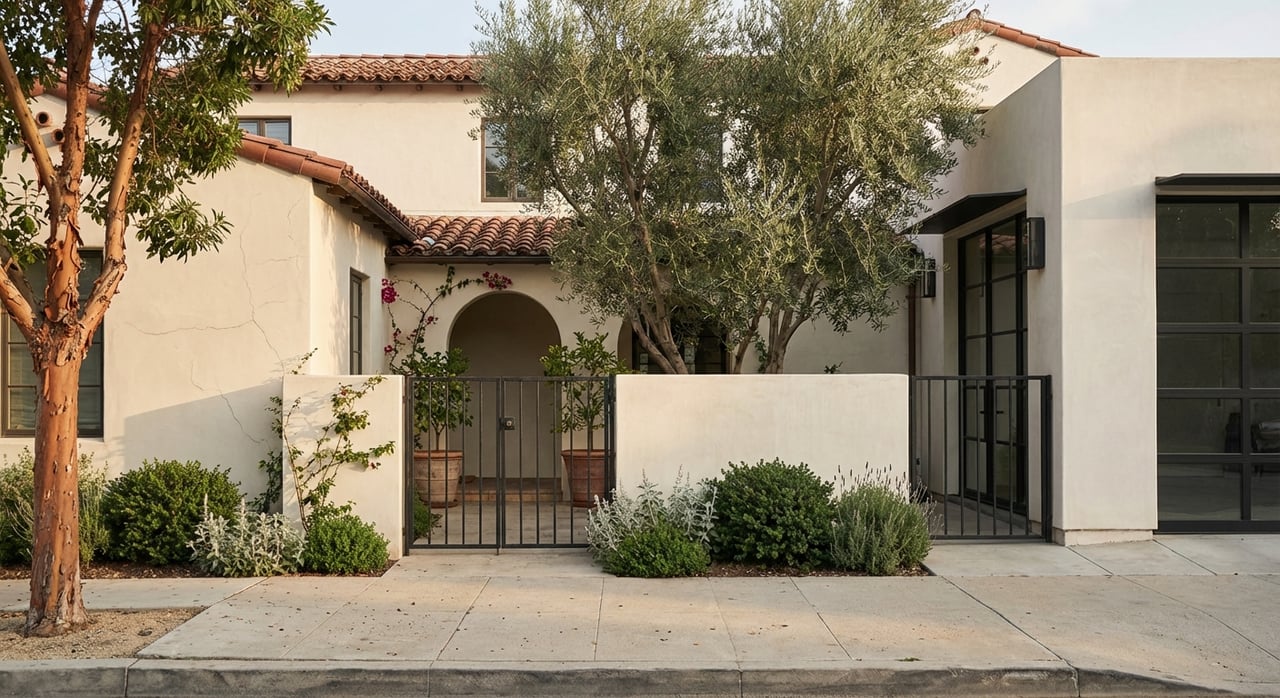
You come to Venice for light, texture, and the feeling that ideas move as fast as the ocean breeze. If you’re a maker or designer, you also need practical things: a place to build, a way to see clients, and a daily rhythm that feeds your work. This guide shows you how to live and create here, from studio‑friendly homes and ADU rules to the cafés, galleries, and sidewalks where the creative pulse is strongest. Let’s dive in.
Why Venice draws creatives
Venice’s energy collects around a few vivid anchors. The beach‑edge Boardwalk, Muscle Beach, and Venice Skate Park on the Venice Beach campus create an outdoor routine you can fold into your workday. Abbot Kinney Boulevard serves as a design corridor where boutiques, maker‑friendly shops, and creative services cluster. And the canals and walkstreets offer quiet, walkable pockets that feel a world apart.
On Abbot Kinney, the curated retail mix supports sourcing, quick inspo walks, and client meetups. You can scan current vendors using the Abbot Kinney merchants directory to find specialty supply shops or small production services. For a sense of the walkstreets’ cottage scale and pedestrian character, the LAist photo feature on Venice’s walkstreets is a helpful visual primer.
Picture a day that starts with a notebook session at Gjusta, a midday materials run on Abbot Kinney, and a sunset ride along The Strand before an evening open studio. In Venice, that cadence feels natural.
Studio‑friendly homes to target
Think of housing here as a toolkit: the base property plus a few smart retrofits can create the studio you need. A few local types work especially well.
Bungalows and walkstreets
Historic bungalows on walkstreets and nearby inland blocks often have detached garages or small sheds that convert nicely into quiet studios. Their compact footprints and courtyard gardens suit designers who want separation between living and making, plus easy beach access for a quick reset.
Garage conversions and ADUs
ADUs and JADUs are a popular path to create a legal studio or income unit that supports your practice. The Los Angeles Department of Building & Safety outlines where and how you can add one, with development standards and a Standard Plan Program. If you’re considering this route, start with the LADBS ADU guide to learn about setbacks, parking exemptions, and permit steps.
Lofts and adaptive reuse near Lincoln and Venice Blvd.
If you need height, open plans, and light, look for adaptive‑reuse conversions and small industrial‑style lofts near Lincoln Boulevard and Venice Boulevard. The city’s Adaptive Reuse framework shapes these projects and can affect ceiling heights, mezzanines, and fire‑safety requirements that matter for workshop activities. For context, see the City’s Adaptive Reuse Ordinance overview.
Live/work and townhome options on main corridors
Select newer small multiunit buildings and townhomes near Abbot Kinney, Washington, or Lincoln may include live/work layouts or ground‑floor spaces suitable for low‑impact studios. These can be ideal if you host clients or need a separate entrance.
Features makers should prioritize
- 10 to 12‑plus foot ceilings or the ability to open vertical space
- Abundant natural light and operable windows for ventilation
- Ground‑level access and a separate door for client drop‑ins
- Sufficient electrical capacity for tools and lighting
- A detached ADU or garage you can convert for privacy or rental income
Permits, rules, and coastal considerations
Operating a small studio from home is often possible, but you should plan ahead. Structural changes or conversions require permits, and certain fabrication activities that create noise, fumes, or hazards can be restricted in residential zones. Always check requirements early through LADBS’ ADU and permitting resources and confirm any local business licensing needs.
Venice also lies partly in the Coastal Zone. Projects near the beach can trigger additional review, including the Local Coastal Program framework and California Coastal Commission steps. Sea‑level rise and coastal protections influence setbacks and permitted uses. For current rules and updates, consult the Venice Local Coastal Program and Community Plan.
Parking and client access are real considerations here. Walkstreets and narrow lanes limit loading options, and preferential parking programs vary by block. When you tour, ask how sellers manage deliveries and visitor parking during peak times.
The creative ecosystem: where you work and refuel
Cafés, counters, and casual meetups
Venice runs on good coffee and open tables. Gjusta’s bakery‑deli market, the Gjelina restaurant group’s Abbot Kinney anchors, and Intelligentsia’s coffee bar all function as informal work hubs for laptop sessions and briefings. Find Venice locations on the Gjelina Group site.
Private creative houses have also found a foothold here, reflecting Venice’s appeal to a high‑end creative class. For design inspiration and context, see coverage of NeueHouse Venice in this design feature. Membership venues evolve over time, so confirm current status before you commit.
Arts anchors and local visibility
Long‑running institutions make it easier to show work and plug into the community. At Beyond Baroque, the literary arts center and Mike Kelley Gallery host readings, exhibitions, and workshops. Explore programming via Beyond Baroque’s gallery page. SPARC, the Social and Public Art Resource Center, runs the Durón Gallery and public art programs that connect artists to mural and printmaking initiatives; learn more at SPARC’s Durón Gallery.
Abbot Kinney and nearby streets also host small galleries, pop‑ups, and rotating retail that doubles as exhibition space. Browsing the Abbot Kinney merchants list can help you spot potential collaborators and maker‑friendly vendors.
Budget reality check
Venice is a high‑demand Westside market with limited supply near the beach. Recent examples indicate that small lots, walkstreet bungalows, and even vacant infill parcels in 90291 often sell for well over $1 million. For context, review representative listings like this Venice beach‑adjacent example, then verify current pricing with up‑to‑the‑minute data when you’re ready to tour.
If you need flexibility, consider a phased plan:
- Buy a bungalow with a detached garage, then convert it to an ADU or studio.
- Prioritize layouts that allow a separate entry for client hours.
- If fabrication is heavy, use a quiet home office and rely on a shared inland shop for tool work.
- Monetize an ADU as a rental during peak seasons to offset carrying costs.
Start with the permitting basics at LADBS’ ADU portal to map out timelines and feasibility.
Touring checklist for makers and designers
Use this quick list when you evaluate a Venice property:
- Light and height: 10‑plus foot ceilings, skylights, and window orientation.
- Access: ground‑floor or alley access, door widths, and a separate studio entry.
- Power and air: dedicated circuits, adequate outlets, and workable cross‑ventilation.
- Sound and neighbors: plan for quiet hours and low‑impact processes.
- Storage: a garage or shed for materials, plus clean indoor zones for finishing work.
- Parking and deliveries: on‑site options and neighborhood parking norms.
- Future flexibility: potential to add an ADU or convert a garage legally.
How to live the day here
Start with a morning coffee and sketchbook at Gjusta. Walk the canals for a reset, then bike The Strand to a midday client meeting on Abbot Kinney. Spend an hour sourcing from independent shops, or pop into Beyond Baroque to catch a reading. Wrap with a late‑afternoon post‑production session at home, windows open to the ocean air. Venice rewards a practice that blends work with movement and community.
Partner with a curator‑minded local
If you’re ready to align your home with your creative life, you deserve representation that understands both aesthetics and the fine print. With design‑forward buyer strategy, local cultural networks, and concierge‑style execution, you get a curated search that centers light, layout, and lifestyle. Connect with Molly Swing to explore studio‑friendly homes, ADU potential, and off‑market opportunities on the Westside.
FAQs
Can I run a client‑facing studio from a Venice home?
- Often yes for small creative and professional services, but activities that create heavy noise, fumes, or hazards can be restricted. Confirm permits and business rules early through LADBS’ ADU and permitting resources.
What is an ADU, and why is it useful in Venice?
- An ADU is a secondary dwelling on a residential lot. In Venice, ADUs and garage conversions are a common, legal way to create a private studio or income unit. Review standards and the Standard Plan Program on the LADBS ADU page.
How do coastal rules affect remodels near the beach?
- Properties in the Coastal Zone may face extra review tied to sea‑level rise and coastal protections, influencing setbacks and permitted uses. Check the Venice Local Coastal Program for current guidance.
Where can I source materials or creative services locally?
- Abbot Kinney’s mix includes maker‑friendly shops and small production services. Use the Abbot Kinney merchants directory to spot relevant vendors and collaborators.
What daily lifestyle can I expect as a creative in Venice?
- An outdoor‑infused routine that blends work and movement: sketchbook mornings at neighborhood cafés, beachside breaks on the Boardwalk, and sunset rides on The Strand. Explore amenities via the Venice Beach Recreation & Parks page.