Thinking about buying a Venice property that doubles as a lifestyle rental? It is an appealing idea for a reason: beach access, steady visitor traffic, and a built-in sense of place can make Venice feel like one of the most distinctive coastal markets in Los Angeles. But before you build a purchase plan around guest income, you need to understand the local rules, property constraints, and what actually works here. Let’s dive in.
Why Venice draws lifestyle-rental buyers
Venice has a rare mix of coastal energy and neighborhood identity. The beach, canals, and boardwalk give the area a strong lifestyle pull, and the city describes Venice Beach as a major tourist attraction and the second most-visited destination in Southern California. That kind of visibility is a big part of why buyers look here for flexible-use property.
There is also real day-to-day foot traffic. According to the City of Los Angeles Department of Recreation and Parks, the Venice Beach Boardwalk and adjacent property attract roughly 28,000 to 30,000 visitors daily and more than 10 million annually. If you are picturing a home base near the coast with occasional rental potential, Venice naturally gets your attention.
Still, this is not a market where you can assume every well-located property will work for short-term stays. Venice has layered planning rules, coastal oversight, and operating restrictions that make due diligence essential from the start.
Venice rules matter more than you think
One of the biggest mistakes buyers make is treating Venice like a simple beach market. In reality, neighborhood-level regulations can shape what you can do with a property, how you improve it, and whether your rental strategy is realistic.
The Venice area includes multiple planning overlays, including the Venice Coastal Zone Specific Plan, Oxford Triangle Specific Plan, Lincoln Boulevard Community Design Overlay District, and Coastal Transportation Corridor Specific Plan. Depending on the address, these layers can affect development, parking, design, and permitting.
Venice also sits in a coastal setting that requires extra sensitivity. City Planning notes that Venice includes unique features such as the beach area and canal system that are particularly vulnerable to sea level rise. That does not mean every property is problematic, but it does mean buyers should understand the broader planning context before they close.
Know LA home-sharing basics first
If your lifestyle-rental plan includes short stays, Los Angeles home-sharing rules should be your first checkpoint. In LA, home-sharing is defined as lodging for 30 consecutive days or less, and the rules are tied closely to primary residence use.
The city defines a primary residence as the sole residence from which the host conducts home-sharing and where the host lives more than six months of the year. In general, home-sharing is capped at 120 days per calendar year unless extended home-sharing approval is granted.
That means a Venice purchase intended mainly as a pure short-term rental investment may not align with the local rules. If your plan depends on unlimited guest stays from day one, you need to verify whether the property and your intended use actually qualify.
Registration and operating limits
Even if a property is eligible, compliance does not stop at ownership. Hosts must register with the city, include the City-issued registration number on listings, and maintain only one home-sharing registration or rental unit at a time in Los Angeles.
Operational rules also shape how practical a home-sharing setup will be in real life. The city’s FAQ states that hosts must provide guest code-of-conduct materials, amplified sound is not permitted after 10 p.m., outdoor evening gatherings are limited to eight people, and hosts can be responsible for nuisance violations caused by guests.
For buyers, this matters because layout and management style become part of the investment story. A property that feels private, durable, and easy to supervise is often more workable than one that depends on loosely shared space or frequent gatherings.
Check RSO status before underwriting income
In Venice, one of the most important early checks is whether the property falls under the city’s Rent Stabilization Ordinance. Home-sharing is not allowed in RSO units, affordable housing, Ellis units, or buildings converted from RSO units to single-family homes until five years after conversion, according to the Los Angeles Housing Department.
LAHD also notes that units built on or before October 1, 1978 are generally subject to the RSO. That does not automatically answer every property question, but it is a strong signal that you need address-level verification before assuming short-term income is allowed.
A practical first step is to look up the property in ZIMAS under the Housing tab or use the LAHD method described on its home-sharing ordinance page. This is one of the easiest ways to avoid building your offer around income the property may not legally support.
ADUs are not an easy workaround
Some buyers assume an accessory dwelling unit can create a cleaner short-term rental path. In Los Angeles, that is not necessarily the case.
The city states that ADUs with complete building permit applications submitted on or after January 1, 2017 may not be used for home-sharing unless the ADU is the applicant’s primary residence. In other words, an ADU is not a simple shortcut to unrestricted guest use.
If you are evaluating a Venice bungalow, duplex, or compound-style property, this is worth reviewing early. The presence of a detached or secondary unit may still add flexibility, but you should not assume it automatically supports your preferred rental model.
Coastal overlays can affect your plans
For properties within the coastal zone, there may be added layers of review tied to development and permitting. The Venice Coastal Zone Specific Plan is an adopted regulatory document, and the Venice Local Coastal Program update remains active.
City Planning says the current update is intended to address coastal hazards, sea level rise, and climate change. It also notes that the Venice Community Plan currently in effect was adopted in 2000, while the update process continues and a draft Land Use Plan is expected for public review in the second half of 2026.
For you as a buyer, the takeaway is simple: if a property sits in the coastal zone, treat permitting and future changes with extra care. Any renovation or use strategy should be reviewed in light of current rules, not assumptions about what worked elsewhere.
Parking can shape viability
In a beach market, parking is never a minor detail. It can affect convenience, guest turnover, and the overall fit between a property and your intended use.
The Venice Specific Plan parking table requires two spaces per dwelling unit for multiple dwellings and duplexes on qualifying lots, plus guest parking in some cases. The plan also notes that additions or alterations do not trigger new parking standards unless they create an additional dwelling unit.
This is one reason parking deserves attention before you make an offer, not after. If a property only works on paper because you are assuming easier parking or future reconfiguration, that is a sign to slow down and verify the details.
What tends to work best in Venice
In Venice, the strongest lifestyle-rental candidates are often the ones that already fit local constraints. Because the area sees significant visitor traffic and home-sharing rules limit noise and gatherings, compact and self-contained setups are often easier to manage than highly shared layouts.
That can mean features like:
- Separate or intuitive entries
- Clear, usable parking
- Good acoustic separation
- Durable interior finishes
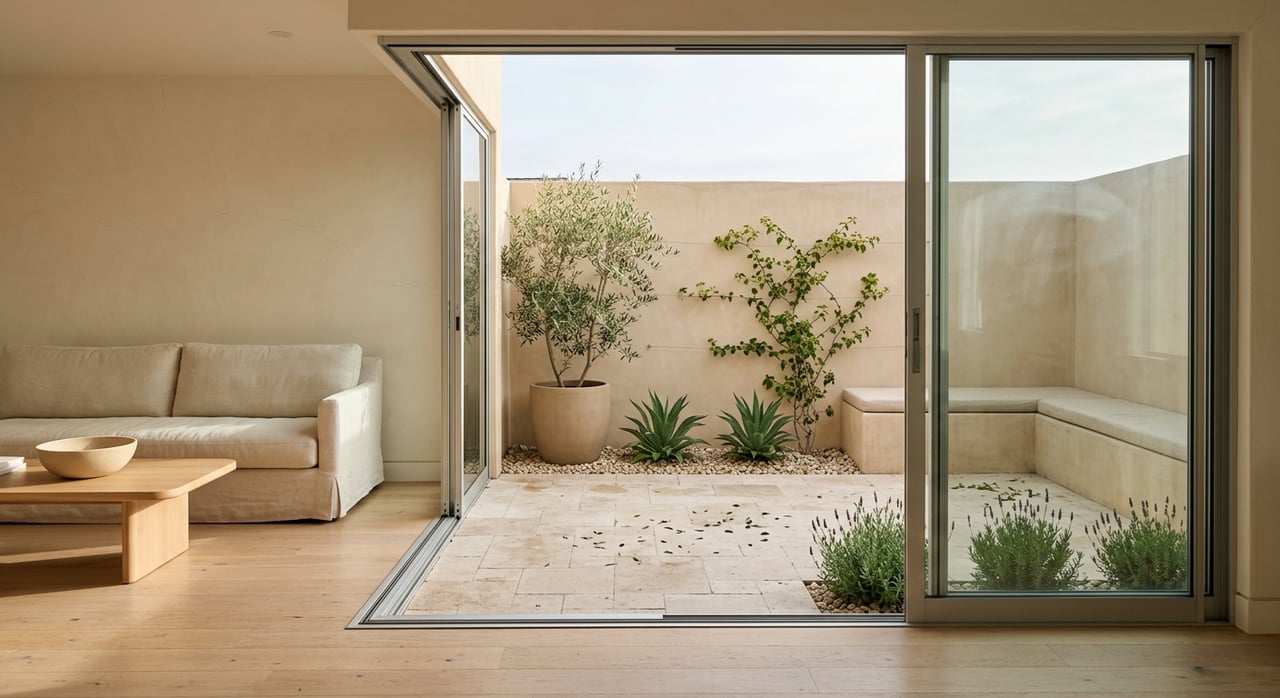
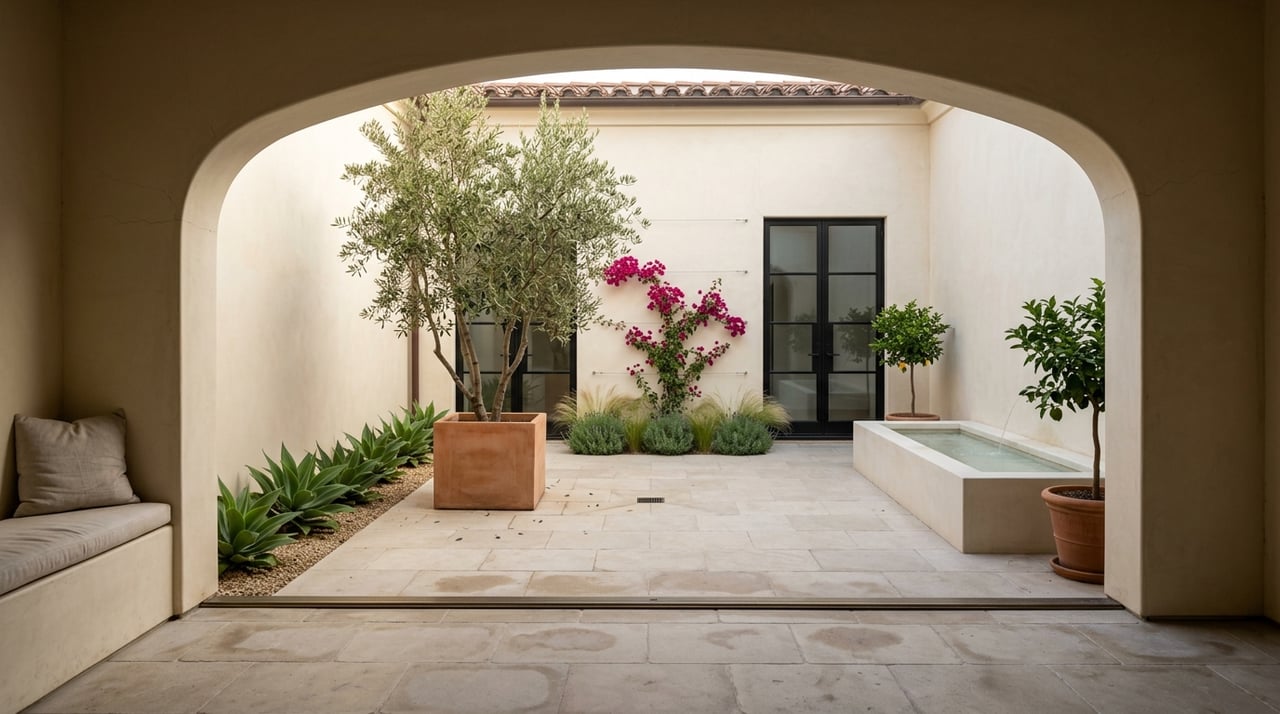
- Private outdoor space that does not depend on large gatherings
It can also mean choosing a property that still makes sense if short-term rental use is limited, delayed, or unavailable. A home that works well as a primary residence or long-term rental may offer a more resilient path than one that depends on a narrow income strategy.
A smart pre-offer checklist
Before you move forward on a Venice lifestyle rental, focus on the basics that shape real-world use:
- Confirm whether the property is eligible for home-sharing
- Check possible RSO status at the address level
- Review whether the property sits in the coastal zone or another overlay
- Evaluate parking requirements and on-site functionality
- Review existing tenancy and occupancy details
- Assess whether the property still works for you without short-term income
This approach can help you buy with more confidence and fewer surprises. In Venice, the best opportunities are usually the ones that align with the rules from the beginning, rather than the ones that need exceptions to pencil.
If you are exploring Venice with an eye for both lifestyle and long-term value, working with an advisor who understands design, neighborhood context, and the importance of careful property matching can make the search much clearer. To talk through Venice opportunities with a thoughtful, local perspective, connect with Molly Swing.
FAQs
What should you verify before buying a lifestyle rental in Venice?
- You should verify home-sharing eligibility, possible RSO status, coastal-zone or overlay issues, parking requirements, and whether the property still works if short-term rental use is limited.
Can you buy a Venice property just for short-term rentals?
- In Los Angeles, home-sharing is tied to a primary residence, and stays of 30 days or less are generally capped at 120 days per year unless extended approval is granted.
How do you check if a Venice property may be under RSO?
- LAHD advises checking the address in ZIMAS under the Housing tab or using the lookup guidance on its home-sharing ordinance page before assuming short-term rental use is allowed.
Are ADUs in Venice allowed for home-sharing?
- Not automatically. In Los Angeles, ADUs with complete building permit applications submitted on or after January 1, 2017 may not be used for home-sharing unless the ADU is the applicant’s primary residence.
Why do coastal overlays matter when buying in Venice?
- Coastal overlays can add development and permitting considerations, and Venice planning policy is actively evolving in response to coastal hazards, sea level rise, and climate-related issues.