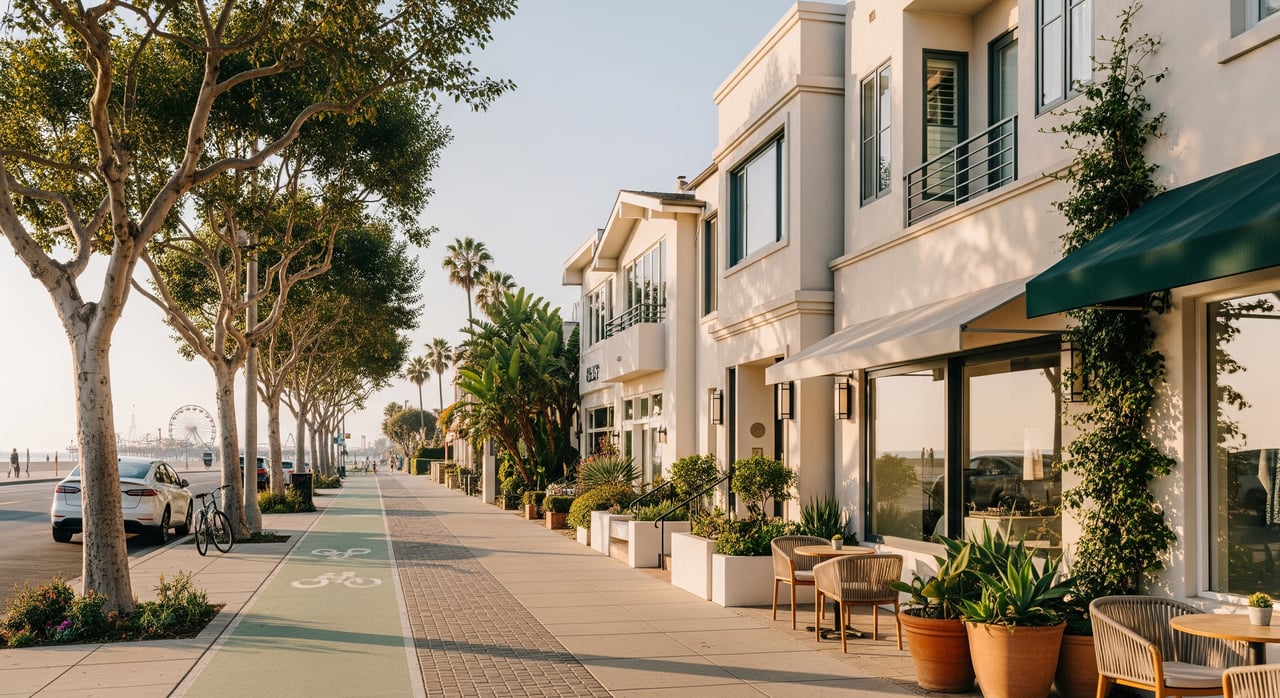
What if your daily routine could unfold on foot, from your morning coffee to an oceanfront sunset walk? In Santa Monica, that vision is possible in the right pocket of the city. Whether you want cafés at your doorstep, quick transit to the rest of Los Angeles, or a quiet street that still sits near parks and small markets, you have options. In this guide, you’ll see how walkable life really works across Santa Monica’s key neighborhoods and how to choose the best fit for your day-to-day. Let’s dive in.
What makes Santa Monica walkable
Santa Monica’s compact coastal layout and Mediterranean climate make walking feel natural most days of the year. You’ll find concentrated commercial streets near lower-rise residential blocks, so errands and leisure often stay close. Third Street Promenade, Montana Avenue, Main Street, and Ocean Avenue anchor many everyday needs.
You also get a connected web of pedestrian zones and bike infrastructure. The beach path and Palisades Park create long, scenic walking stretches, while a mix of painted and protected bike lanes expands non-car options. Local transit, including Santa Monica’s Big Blue Bus and the Metro E Line terminus at Downtown Santa Monica, adds flexibility for car-light routines.
There are tradeoffs. The liveliest areas tend to command higher prices and can draw weekend crowds, especially near the Pier. Parking is competitive near commercial corridors. Large-format grocery stores are limited within city limits, so some residents rely on delivery or occasional trips just outside Santa Monica.
Neighborhood snapshots: walkable pockets
Each pocket below highlights rhythm, errands, access, and tradeoffs to help you picture daily life.
Downtown and Third Street Promenade
- Character and rhythm: High-energy core with a pedestrian mall, shopping, dining, and cultural venues. Expect steady activity from morning to evening and more visitors on weekends near the Pier.
- Essentials and errands: Supermarkets, cafés, fitness, and services cluster within a short walk. Municipal services are close by.
- Beach and transit: A quick stroll to the beach and Pier. The Metro E Line terminus and Big Blue Bus hub offer regional and local connections.
- Homes and lifestyle fit: Mostly apartments, condos, and mixed-use buildings. Works well if you value maximum convenience and transit access.
- Walkability tradeoffs: Convenience is unmatched, while noise, parking demand, and tourist traffic are part of the package.
Montana Avenue and North of Montana
- Character and rhythm: A tree-lined shopping street with boutiques and cafés, plus calm residential blocks nearby.
- Essentials and errands: Specialty shops, local cafés, and small markets serve daily needs. Retail is more curated than big-box.
- Beach and transit: The beach is a longer walk than downtown, though still reachable. Bus lines connect residents to other parts of the city.
- Homes and lifestyle fit: Predominantly single-family homes and low-rise apartments. Appeals if you want a quieter street life with a neighborhood commercial spine.
- Walkability tradeoffs: A refined, local mix of shops but fewer large-format grocery options within the immediate area.
Main Street and Ocean Park
- Character and rhythm: A relaxed, beach-forward corridor with independent cafés, surf shops, and casual dining. Less touristy than downtown.
- Essentials and errands: Coffee, yoga studios, small markets, and services line Main Street.
- Beach and transit: A short walk to the sand and the beach path. Big Blue Bus routes serve the corridor well.
- Homes and lifestyle fit: Duplexes, small apartment buildings, and single-family homes. Ideal if you want a low-key neighborhood feel with the shore close by.
- Walkability tradeoffs: Fewer large retail anchors. You may supplement with delivery or short trips elsewhere for bigger grocery runs.
Ocean Avenue, Palisades Park, and the Pier Edge
- Character and rhythm: Scenic promenades, formal public spaces, and hotel-lined stretches with a strong recreational draw.
- Essentials and errands: Restaurants and services cluster along Ocean Avenue, with immediate access to beachfront recreation.
- Beach and transit: Instant beachfront access and strong pedestrian infrastructure. Expect heavier weekend foot traffic.
- Homes and lifestyle fit: Luxury condos and some apartments. A fit if you prioritize ocean views and proximity to the sand.
- Walkability tradeoffs: Exceptional access to the waterfront alongside premium pricing, higher noise, and busy periods.
Pico Boulevard and East Santa Monica
- Character and rhythm: A longer east–west corridor with local, diverse businesses and services. More utilitarian than boutique.
- Essentials and errands: Markets, restaurants, and service providers spread along the boulevard.
- Beach and transit: Walkability varies by block, with strong bus connections to other corridors and to rail.
- Homes and lifestyle fit: More varied rental stock relative to the coastal core. Suits those seeking a local rhythm with broader value.
- Walkability tradeoffs: Practical daily life at generally more accessible price points, with fewer polished retail clusters.
Sunset Park and Southwest Santa Monica
- Character and rhythm: Residential calm with parks and schools shaping daily life. Small commercial nodes dot the area.
- Essentials and errands: Local cafés, small markets, and playgrounds offer close-by basics.
- Beach and transit: A moderate walk or short bike ride to the beach, depending on your block. Bus routes connect to key corridors.
- Homes and lifestyle fit: Many single-family homes and duplexes. A good match if you want a quieter setting with neighborhood conveniences.
- Walkability tradeoffs: Everyday essentials are nearby, while boutique shopping districts are less concentrated than in downtown or Montana.
Daily-life logistics that matter
Groceries and markets
You’ll find a mix of neighborhood grocers and specialty shops across the main corridors. For larger-format options, plan occasional trips outside the city or rely on delivery. Many residents blend weekly staples with fresh produce from local markets.
Transit without a car
Big Blue Bus provides frequent service along major streets for cross-town errands. The Metro E Line’s Downtown Santa Monica terminus connects you to Culver City and downtown Los Angeles. Many residents combine walking with short transit rides for commuting or appointments.
Biking and walking paths
The beach path and Palisades Park create long, scenic routes for walking or biking. Additional painted and protected bike lanes improve access to commercial streets and parks, expanding no-car options for errands and recreation.
Parks and open space
Palisades Park offers cliffside views and wide lawns for daily strolls. Neighborhood parks and playgrounds across Santa Monica create easy green breaks during the day and anchor local routines.
Parking, deliveries, and car services
Expect residential permit zones and metered or time-limited parking in commercial districts. If you keep a car-light lifestyle, consider grocery and parcel delivery, plus occasional carshare or rideshare for larger errands.
Schools, childcare, and healthcare
Walkable access to schools and childcare varies by neighborhood. Confirm current school boundary maps directly with the district if proximity is important to you. Smaller clinics and medical offices are scattered through the city, while major hospitals are nearby in the region.
How to choose your pocket
Match your routine to the right location:
- If you want cafés, culture, and easy rail: Downtown and Third Street.
- If you prefer a refined, quieter shopping street: Montana Avenue and North of Montana.
- If you want a beach-first rhythm: Main Street and Ocean Park.
- If you prioritize views and immediate ocean access: Ocean Avenue and the Pier edge.
- If you want value with local services: Pico Boulevard and East Santa Monica.
- If you want residential calm with parks: Sunset Park and the southwest pocket.
Try-before-you-buy mini-itineraries
A morning in Downtown
- Start with a café near the Promenade.
- Walk to Palisades Park for ocean views and a quick stretch.
- Time a grocery run, then hop the E Line for a test commute.
A day on Montana Avenue
- Grab coffee and do a boutique loop on Montana.
- Stroll to a nearby park for a midday break.
- Test your walk to small markets and compare afternoon versus evening street activity.
Ocean Park, beach-first
- Walk to the beach path at sunrise.
- Coffee on Main Street and a short list of errands.
- Try a Big Blue Bus ride for an afternoon appointment.
Sunset Park, neighborhood calm
- Morning coffee at a local node, then a park loop.
- Walk to a small market for basics.
- Bike toward the beach to gauge the ride and time.
Buyer tips for walkable living
- Map your routine. Time coffee runs, grocery trips, and park visits on foot to see what truly fits your day.
- Sample different times. Visit weekday mornings, weekday evenings, and weekend middays to gauge crowds, lighting, and noise.
- Test transit. Try Big Blue Bus or the E Line for commutes and appointments to see if a car-light plan feels natural.
- Plan for storage. If you shop smaller and more often, consider pantry space and a folding cart for easy walks.
- Think deliveries. Integrate grocery and parcel delivery to reduce car errands and manage busy weeks.
Ready to explore the right pocket for you?
If you want a home that supports a car-light routine and an inspired daily rhythm, let’s walk these streets together. With a curator’s eye for lifestyle fit and local nuance, I can help you compare neighborhoods by feel, convenience, and long-term goals. Start your search with Molly Swing.
FAQs
What does walkability mean in Santa Monica for daily life?
- Walkability here typically means your coffee, small markets, parks, and dining are within a short stroll, with transit or bikes extending your reach for commutes and larger errands.
How car-free can I be living near Main Street and Ocean Park?
- Many residents do most daily tasks on foot or bike and use Big Blue Bus or rideshare for longer trips, supplementing with delivery for large grocery runs.
Is the Metro E Line useful if I live near Downtown Santa Monica?
- Yes. The E Line terminus in downtown connects you to Culver City and downtown Los Angeles, adding a reliable rail option to your routine.
Are there big grocery stores within walking distance on Montana Avenue?
- You’ll find small markets and specialty shops nearby, while large-format grocery options are more limited and may require delivery or a short trip outside the area.
What tradeoffs should I expect near the Pier and Ocean Avenue?
- You gain immediate beachfront access and scenic walking but should expect more visitor activity, higher noise, and premium pricing compared with quieter residential pockets.