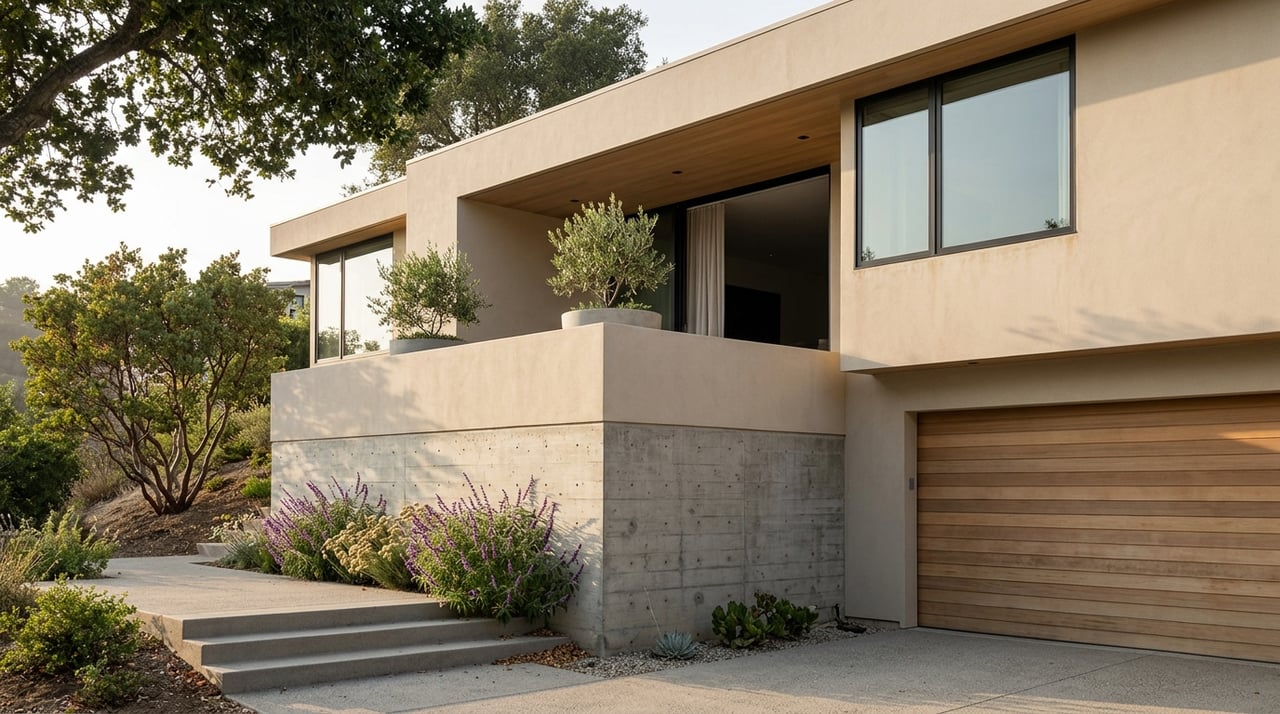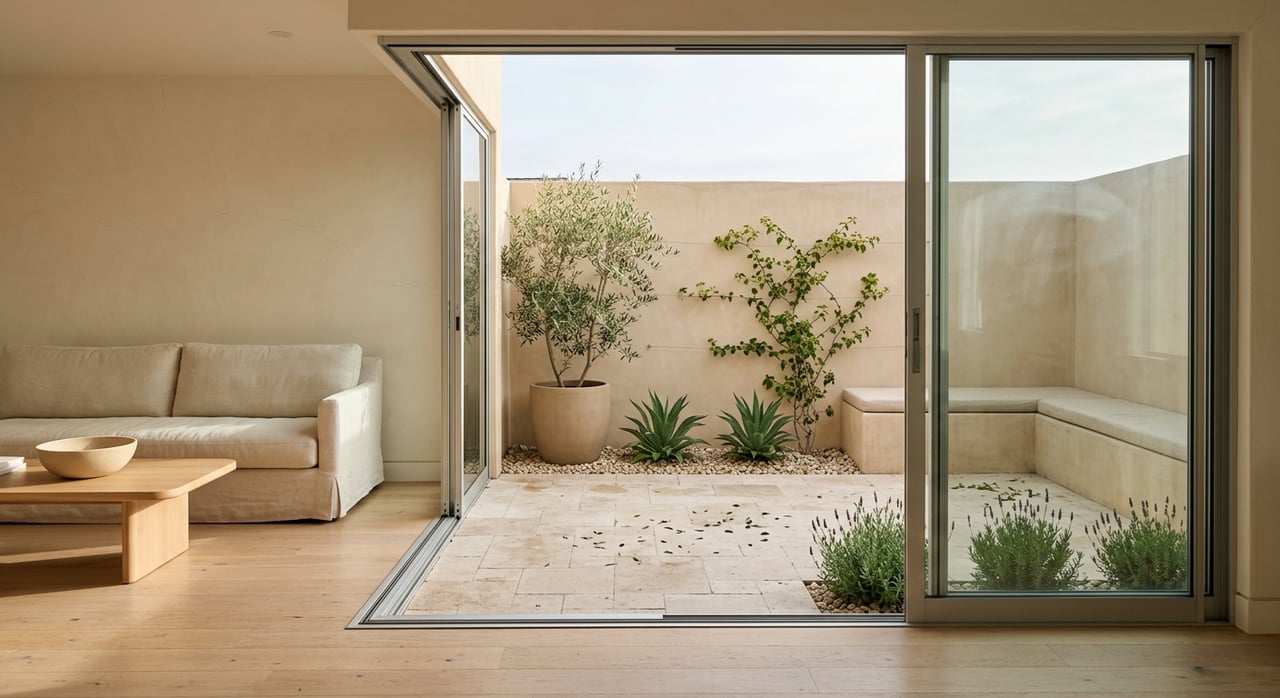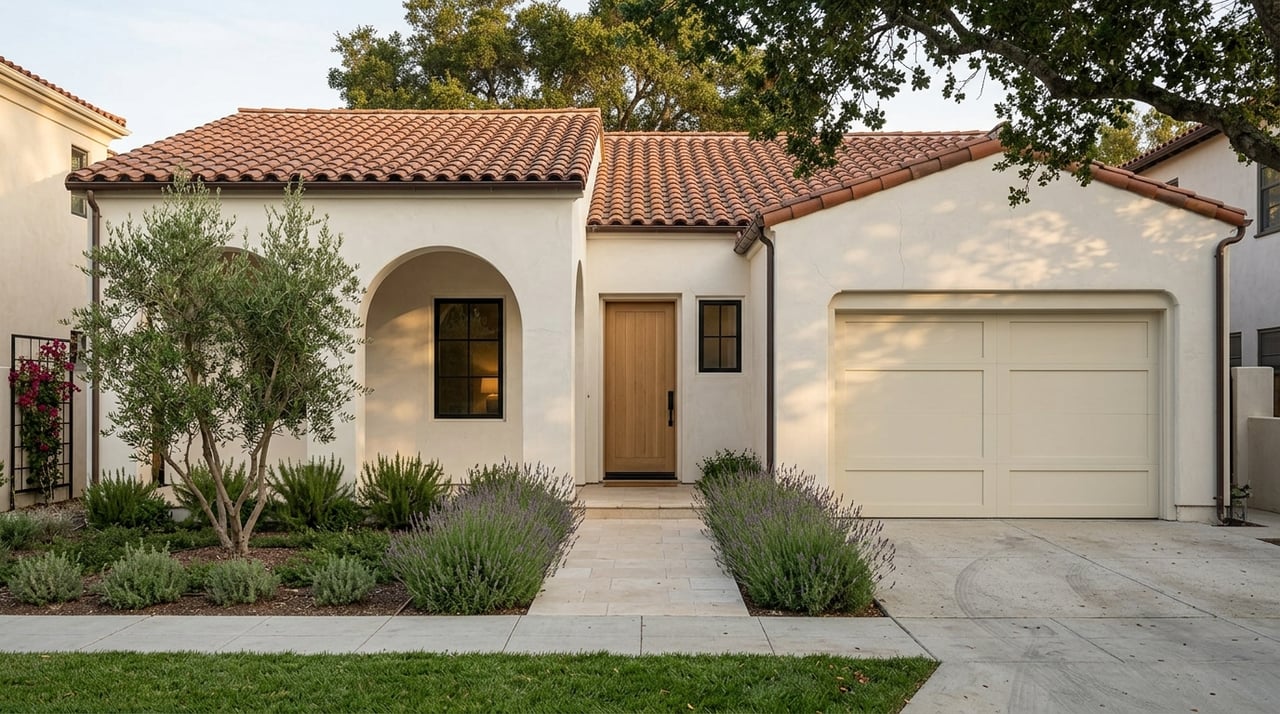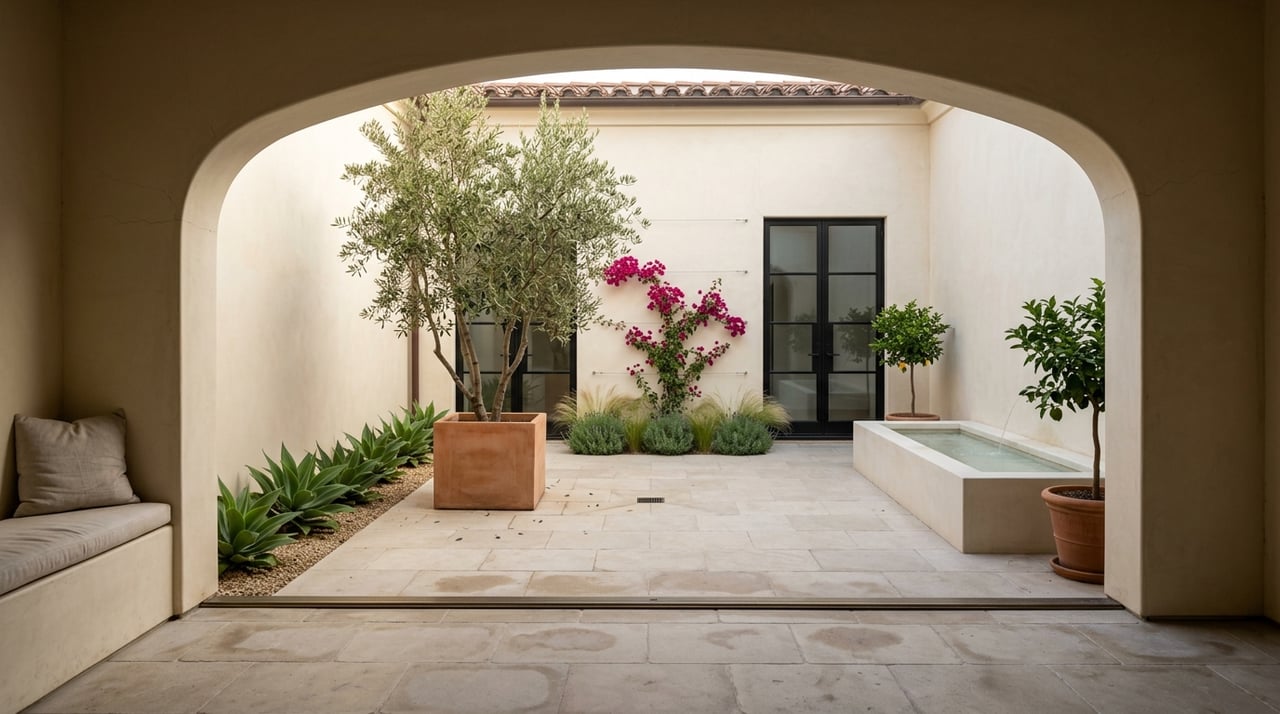
If your Pacific Palisades home has real architectural presence, selling it well takes more than listing square footage and recent updates. Buyers in this market often respond to light, materials, provenance, and the way a home sits on its site just as much as they do to bedroom count. When your property is design-forward, the goal is to present it with clarity, discipline, and a strong sense of place. Let’s dive in.
Why design matters in Pacific Palisades
Pacific Palisades sits in a premium segment of the Los Angeles market, and current spring 2026 snapshots reflect that. Redfin reported a median sale price of $3.0 million in March 2026 with 64 median days on market, while Realtor.com reported a median listing price near $3.995 million, 324 homes for sale, and 45 median days on market. Those figures track different things, but together they point to a market where presentation and pricing strategy matter.
This is also a neighborhood with a strong architectural identity. The LA Conservancy’s SurveyLA report identified a substantial number of significant Mid-Century Modern homes in the Brentwood-Pacific Palisades Community Plan Area, many on hillside lots with canyon and city views. That context matters because buyers are not always comparing your home to a generic luxury property. They may be comparing it to the broader design legacy of the area.
In Pacific Palisades, architecture can shape value perception. Homes with thoughtful siting, strong indoor-outdoor flow, and a clear design point of view often read as lifestyle properties rather than simple floor plans. That means your sale strategy should communicate not only what the house includes, but why the design belongs here.
Lead with the home’s story
A design-forward home usually has a narrative, and that narrative should guide the listing. If your property has a known architect, a meaningful renovation, preserved original elements, or a site-specific design approach, those details deserve a central place in the marketing. Buyers scrolling online need a reason to stop and pay attention.
According to the National Association of Realtors, 81% of buyers rated listing photos as the most useful feature in their online search. The same guidance notes that once buyers click into a listing, the description helps them decide whether the home is worth saving, sharing, or touring. For that reason, clear and relevant copy tends to outperform vague luxury language.
In Pacific Palisades, the strongest listing descriptions often explain details such as:
- The architectural era or design influence
- What is original and what has been updated
- Key materials and finishes
- How the home captures natural light
- The relationship between interior spaces and outdoor areas
- How the house responds to its hillside, canyon, or view setting
The LA Conservancy’s descriptions of local icons like the Kappe House, the Thomas Mann House, and the Eames House highlight elements like horizontal lines, hillside adaptation, indoor-outdoor relationships, materials, and cultural provenance. Your home does not have to be famous to benefit from the same thoughtful framing.
Treat marketing like a curated campaign
Selling a design-driven property is rarely about one beautiful photo and a short description. It works best as a coordinated campaign that brings together staging, photography, video, digital exposure, and showing strategy. NAR’s consumer guidance on marketing a home includes staging, professional photography, social media, signage, open houses, and MLS exposure as part of a broader plan.
That matters because most buyers begin online, and the first impression happens fast. For a luxury or architecturally distinct home, the listing card and opening image sequence are often the first showing. If the presentation feels generic, buyers may never get far enough to appreciate what makes the property special.
A strong campaign should make the home feel intentional from the start. The photos should establish mood and scale. The copy should explain what the eye is seeing. The showing experience should confirm that the architecture lives as well as it looks.
Stage to support the architecture
Good staging should help buyers understand the home, not distract from it. That is especially true in Pacific Palisades, where many homes are defined by openness, glazing, decks, terraces, and a strong connection to the landscape. Furniture placement, art, and styling should reinforce those features.
NAR’s 2025 Profile of Home Staging found that 83% of buyer’s agents said staging made it easier for a buyer to visualize a property as a future home. It also found that 31% said buyers were more willing to walk through a home they saw online. In other words, staging can improve both emotional connection and practical engagement.
For a design-forward listing, selective staging is usually more effective than filling every room. The spaces that most often matter include:
- Living rooms
- Primary bedrooms
- Kitchens
- Dining rooms
- Outdoor spaces
In a home with strong architecture, visual quiet is valuable. You want buyers to notice volume, light, materials, and circulation. Overfurnished rooms, busy accessories, or too many decorative moments can interrupt that experience.
Use art with restraint
Art can elevate a home, but it needs a purpose. In a design-forward property, art should help establish scale, rhythm, and tone without competing with windows, view corridors, or original architectural details. The goal is to complement the home’s composition, not crowd it.
NAR’s photo preparation guidance notes that the camera magnifies clutter and poor furniture arrangement. It recommends opening blinds, removing distracting art when needed, and paring down furniture before a shoot. That advice is especially useful in homes where architecture is the main attraction.
A few smart choices can do a lot:
- Use fewer, larger pieces instead of many small ones
- Avoid placing bold work where it fights with a major window or fireplace wall
- Keep pathways clear so the room reads easily in photos
- Let materials like wood, stone, steel, or plaster stay visible
If your home has gallery-like walls or sculptural rooms, restraint usually feels more premium than excess.
Prioritize photography and video
High-resolution photography and video are essential because most buyers begin their search online. NAR’s guidance is clear that strong visuals influence whether buyers click into a listing or keep scrolling. For a Pacific Palisades home with architectural character, image order matters almost as much as image quality.
The sequence should tell a story. Start with the exterior approach or strongest defining room. Then show how the major spaces connect, how the light moves through the home, and how outdoor areas extend the living experience. If the property is hillside or view-oriented, the photography should clarify that relationship early.
Video can be equally useful when it focuses on movement and spatial flow. A design-forward house often makes its best impression through transition, such as the way a corridor opens to glass, or how a living room connects to a terrace. Still photos establish beauty, but motion can explain the experience.
Keep imagery accurate and compliant
In California, image accuracy is not just a best practice. It is a compliance issue. The California Department of Real Estate states that AI-enhanced imagery must align with truth-in-advertising and disclosure rules. As of January 1, 2026, digitally altered images that change the appearance of the property require clear disclosure and access to the original unaltered image.
CRMLS also states that digitally altered photos must be labeled and paired with the original image. By contrast, routine edits such as brightness, color correction, cropping, and white balance are not treated the same way. For sellers, this means polished visuals are absolutely appropriate, but they should never misrepresent the property.
That is particularly important in a design-led listing. Sophisticated buyers notice when photos feel inconsistent with reality. Clean editing builds trust. Misleading enhancement does the opposite.
Be ready for buyer questions about condition
The Palisades Fire remains part of the current neighborhood context. CAL FIRE’s incident page lists 6,837 structures destroyed and 973 damaged, and the City of Los Angeles has described its recovery efforts as focused on preserving community character, rebuilding stronger, and streamlining the process for damaged or destroyed properties.
For today’s sellers, that means buyers may look closely at condition, restoration history, permits, and resilience-related improvements. Even if your property was not directly affected, buyers may still ask informed questions about systems, maintenance, and documentation. Clear records can support confidence.
The City of Los Angeles recovery materials also highlight attention to rebuilding rules, coastal and canyon bluff considerations, and historic preservation. If your home has completed work, updates, or restoration, it helps to organize documentation early so your marketing and disclosures stay consistent.
Price with discipline
A beautiful home still needs a disciplined pricing strategy. In a market where listing prices and closed-sale metrics can differ significantly, it is important to separate aspiration from positioning. Design can add appeal, but buyers still compare condition, location, lot, views, and level of finish.
That is why the presentation and the price need to support each other. If the home is marketed as a premium architectural offering, every part of the campaign should justify that framing. When the story, visuals, and pricing align, the home is more likely to attract serious buyers who understand what they are seeing.
What sellers should do before listing
If you are preparing to sell a design-forward home in Pacific Palisades, focus first on clarity. Buyers should be able to understand the home’s architectural point of view within seconds of seeing it online and within minutes of walking in person. Anything that blurs that impression is worth rethinking.
Before going to market, it helps to:
- Identify the home’s core design story
- Clarify which features are original, restored, or newly updated
- Edit furnishings to highlight scale and flow
- Use photography and video to explain the spatial experience
- Confirm that all imagery is accurate and properly disclosed
- Organize permits, restoration records, and upgrade documentation
When done well, selling a design-forward home is not about making it feel trendier. It is about helping buyers see the property’s integrity, context, and lived beauty with confidence.
Pacific Palisades rewards that kind of thoughtful presentation. If you want a sale strategy that brings together storytelling, visual discipline, and local market perspective, Molly Swing offers curated representation designed for homes that deserve more than a standard launch.
FAQs
How should you market a design-forward home in Pacific Palisades?
- Focus on architecture, light, materials, setting, and renovation history through a coordinated campaign that includes strong listing copy, professional photography, video, and selective staging.
Why does staging matter when selling a Pacific Palisades architectural home?
- NAR data shows staging helps buyers visualize the home and can make them more willing to visit after seeing it online, especially when key rooms and sight lines are thoughtfully presented.
What should listing photos show for a Pacific Palisades hillside home?
- Photos should clearly show the approach, major living spaces, natural light, indoor-outdoor flow, and the home’s relationship to its hillside, terrace, deck, or view setting.
What do California sellers need to know about digitally altered listing images?
- As of January 1, 2026, images that change the appearance of the property require clear disclosure and access to the original unaltered image, while routine edits like color correction and cropping are generally allowed.
What questions may buyers ask about Pacific Palisades homes after the Palisades Fire?
- Buyers may pay closer attention to condition, permits, restoration history, and any resilience-related improvements or documentation tied to repairs, rebuilding, or upgrades.