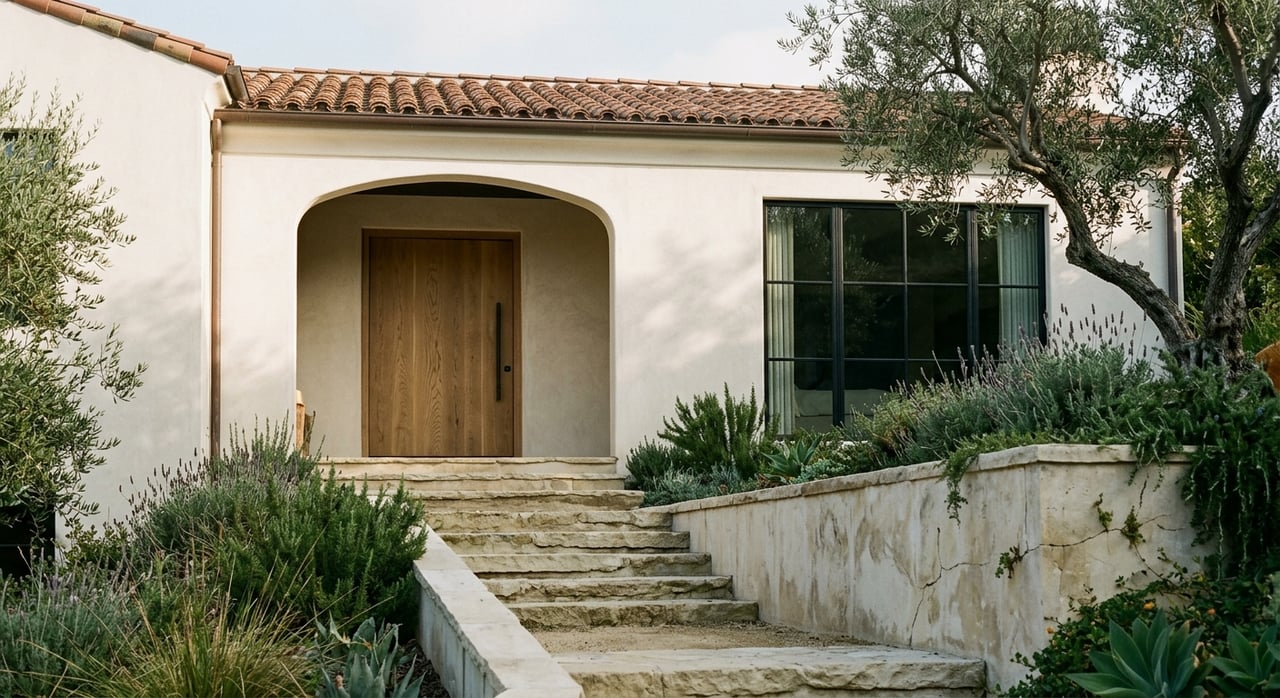
If Malibu has been calling your name, a second home there can feel like the ultimate coastal escape. But in Malibu, beauty and lifestyle go hand in hand with practical questions about permits, insurance, taxes, and long-term upkeep. If you are thinking about buying a retreat by the water or in the hills, these are the key questions that can help you move forward with more clarity and confidence. Let’s dive in.
Start With Lifestyle Fit
A second home in Malibu is not just about finding a beautiful view or the right architecture. It is also about choosing a property that fits how you actually want to spend your time and how involved you want to be in ownership.
The City of Malibu sits inside the California coastal zone, and the city’s Local Coastal Program governs most development and activity within city limits unless an exemption applies. The city also notes that coastal development permits may be reviewed by the Planning Commission and, in some cases, the Planning Director. That means your purchase may come with more planning and permitting considerations than you would expect in a typical second-home market.
Malibu’s Coastal Vulnerability Assessment also points to projected exposure to sea-level rise, tidal inundation, storm flooding, and coastal erosion. In practical terms, that means you are not only buying a lifestyle. You are also choosing how comfortable you are with coastal conditions, future planning review, and property resilience.
Ask Yourself How Hands-On You Want To Be
Some buyers want a true lock-and-leave retreat with minimal oversight. Others are happy to take on a more involved property that may need ongoing attention, upgrades, or future permitting.
Before you buy, think honestly about how you want ownership to feel. If you want simplicity, you may want to focus on homes with straightforward upkeep and a clear path for any future improvements.
Be Honest About How Often You Will Use It
One of the most important second-home questions is also one of the simplest: how often will you really be there? Your answer affects not just your budget, but also what type of property makes sense.
The Consumer Financial Protection Bureau recommends budgeting for the full monthly housing payment, including mortgage principal and interest, property taxes, insurance, flood insurance if applicable, HOA dues, maintenance, repairs, and utilities. It also notes that closing costs typically run about 2% to 5% of the purchase price and suggests keeping an emergency cushion of three to six months of expenses.
Malibu’s average home value was $3,142,247 on Zillow as of March 31, 2026. At that price point, carrying costs can remain meaningful whether you use the home every weekend or only a few times each season.
Match The Property To Your Real Use Pattern
If you plan to spend long stretches in Malibu, your priorities may center on comfort, layout, storage, and how the home supports daily living. If you expect shorter visits, ease of maintenance and security may matter more.
This is where many buyers benefit from slowing down and separating the dream from the routine. The right second home should support the way you will actually live, not just how you picture one perfect holiday weekend.
Understand The Full Cost Of Ownership
Purchase price is only the starting point. To make a smart decision, you need a clear view of what ownership looks like after closing.
In California, property taxes are shaped by more than a single annual estimate. The California State Board of Equalization says a property’s assessed value is generally established when ownership changes or new construction occurs, and Proposition 13 generally limits the ad valorem tax rate to 1% of full cash value plus voter-approved indebtedness. The BOE also notes that supplemental assessments can create additional tax bills after a change in ownership or new construction.
In Los Angeles County, annual secured property-tax bills are mailed by November 1 and are due in two installments: November 1 and February 1. The delinquency dates are December 10 and April 10, and late payments trigger penalties.
Budget Beyond The Mortgage
A helpful Malibu second-home budget should include:
- Mortgage principal and interest, if financed
- Property taxes, including possible supplemental tax bills
- Homeowner’s insurance
- Flood insurance if applicable
- HOA dues, if any
- Utilities
- Ongoing maintenance and repairs
- A reserve for unexpected costs
This kind of planning is especially important in a market where the home may sit vacant part of the year. A property can still generate real monthly and seasonal expenses even when you are not there.
Look Closely At Insurance And Resilience
Insurance deserves special attention in Malibu. This is one of the most important parts of your due diligence, and it is worth addressing early.
The Consumer Financial Protection Bureau notes that homeowner’s insurance is generally required for a mortgage. It also says flood insurance may be required in FEMA special flood-hazard areas, and higher-risk properties can be harder or more expensive to insure.
The California Department of Insurance says the FAIR Plan is a backup option when coverage is unavailable in the regular market. CAL FIRE’s Ready for Wildfire program also recommends defensible space and home hardening, noting that embers can ignite homes up to a mile away.
Questions To Ask Early
As you evaluate a Malibu property, consider asking:
- What insurance coverage is currently in place?
- What are estimated insurance costs for this specific property?
- Is flood insurance likely to be required?
- What wildfire-prevention features or hardening measures are already in place?
- Will the property need additional work to support insurability?
These questions can shape both your monthly budget and your comfort level with ownership.
Think Carefully About Guest Use
If you imagine sharing the home with paying guests when you are away, Malibu requires a more careful review. Short-term use is not something to treat casually.
The City of Malibu says homes rented or leased for 30 days or less must obtain a permit and are subject to transient occupancy tax. The city’s short-term rental program page also states that operating without a permit can result in a $1,000-per-day-or-violation fine, and permit holders must provide guests with the city’s Short-Term Rental Code of Conduct.
Malibu’s current budget materials state that the city’s transient occupancy tax rate is 15%. If guest use is part of your plan, that tax is one more cost layer to model alongside property taxes, insurance, and maintenance.
A Guest-Friendly Home Is Not The Same As A Pure Retreat
The city has also outlined a more restrictive hosted short-term rental framework that would require an onsite host, primary residency requirements, and multifamily limits, though the city says it cannot go into effect until the California Coastal Commission certifies related Local Coastal Program amendments. The adopted ordinance text also contemplates annual renewals, separate permits for each legal lot or condominium, proof of primary residency, and OWTS compliance.
For buyers, the key takeaway is simple: a Malibu home that may host guests should be evaluated differently from a home intended only for personal use. If income or flexible guest occupancy is part of your vision, those assumptions should be vetted early.
Review Permit History And Future Plans
Many second-home buyers fall in love with a property as it exists today, then later start imagining changes. In Malibu, it is wise to think about those future plans before you make an offer.
The city’s planning materials say buyers should review Title 17 and the Local Coastal Program early in the design process. If you may want to remodel, expand, reconfigure outdoor spaces, or make other improvements, it is smart to understand how zoning and coastal-development review could affect that plan.
Confirm These Details Before You Move Forward
Before buying a second home in Malibu, it is worth confirming:
- Financing options and payment comfort
- Insurance availability and estimated cost
- Permit history for the property
- Whether any prior work appears properly documented
- Coastal-development implications for future changes
- Whether planned remodels may need review under Malibu zoning or the Local Coastal Program
This step helps protect both your budget and your long-term vision for the property.
Build The Right Advisory Team
A Malibu second-home purchase often works best when you approach it as both a lifestyle decision and a technical one. The more clarity you have up front, the easier it is to choose a property that feels right and performs the way you expect.
The Consumer Financial Protection Bureau recommends updating your budget and down-payment assumptions as your home search progresses. For a property that may host guests, the research also points to the value of involving a lender, insurance broker, CPA, land-use attorney, and local real estate advisor.
A local advisor can help you narrow the search to properties that fit your design preferences, ownership style, and long-term plans. That is especially valuable in Malibu, where a home’s setting, access, maintenance profile, and planning context can matter just as much as the view.
If you are considering a second home in Malibu, the best next step is a conversation grounded in how you want to live. Molly Swing offers boutique, lifestyle-focused guidance to help you evaluate properties with both the romance of the coast and the realities of ownership in mind.
FAQs
What makes buying a second home in Malibu different from other vacation markets?
- Malibu sits within the California coastal zone, and much of the city is governed by the Local Coastal Program, which can affect development, permits, and future property changes.
What costs should you budget for with a Malibu second home?
- You should plan for mortgage costs if financed, property taxes, possible supplemental tax bills, insurance, flood insurance if applicable, HOA dues, maintenance, repairs, utilities, closing costs, and an emergency reserve.
How much are closing costs when buying a second home?
- The Consumer Financial Protection Bureau says closing costs typically run about 2% to 5% of the purchase price.
Can you use a Malibu second home as a short-term rental?
- Homes rented or leased for 30 days or less must obtain a permit from the City of Malibu and are subject to transient occupancy tax, and operating without a permit can lead to significant fines.
What is Malibu’s transient occupancy tax rate for short-term stays?
- Malibu’s current budget materials state that the city’s transient occupancy tax rate is 15%.
Why is insurance such a major issue for Malibu second-home buyers?
- Insurance can be more complex because higher-risk properties may be harder or more expensive to insure, and some homes may also require flood insurance depending on location.
What should you confirm before making an offer on a Malibu second home?
- You should confirm financing, insurance availability, permit history, possible coastal-development implications, and whether any future remodel plans may require review under Malibu zoning or the Local Coastal Program.